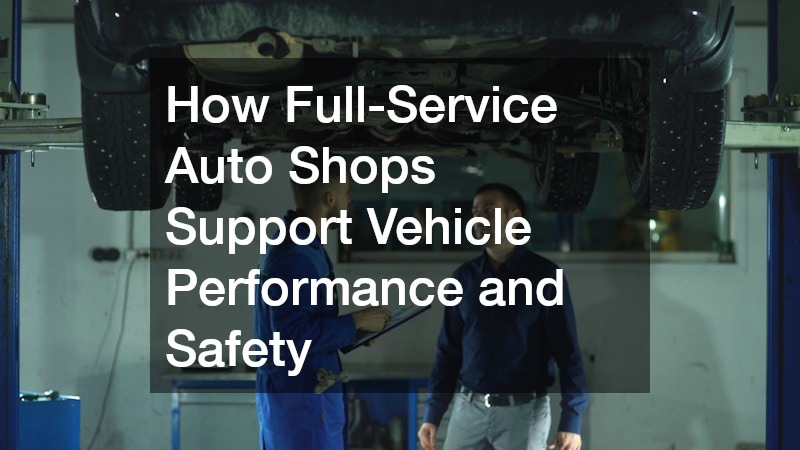
Vehicle performance and safety depend on many systems working together consistently over time. From comfort features to mechanical components, modern vehicles require regular attention to stay reliable on the road. Preventive care, timely repairs, and system-level awareness all play a role in avoiding breakdowns and maintaining dependable operation in everyday driving conditions.
As vehicles become more advanced, the importance of comprehensive service grows. Many components now rely on electronic integration, meaning issues in one area can affect performance elsewhere. Regular inspections and maintenance help identify early warning signs, reducing the risk of unexpected failures and improving long-term reliability.
Full-service auto care supports this balance by addressing both visible and underlying issues before they become larger problems. When services are coordinated rather than handled in isolation, vehicles benefit from better performance, longer service life, and improved safety. This approach also helps drivers better understand their vehicles and make informed decisions about maintenance timing and priorities.

Supporting Comfort and In-Car Technology
Comfort and technology features have become an essential part of the driving experience. Modern vehicles are designed to keep drivers connected, informed, and comfortable during daily commutes and long trips alike. When these systems function properly, they reduce distraction, support navigation, and make time on the road more enjoyable.
In-car technology also plays a role in safety by providing alerts, hands-free communication, and clear access to vehicle information. Poor performance or system malfunctions can create frustration or distractions that take attention away from the road. Maintaining these features supports a more controlled and focused driving environment.
Car audio systems contribute to this experience by integrating entertainment, communication, and navigation tools into a single interface. Maintaining these systems helps preserve sound quality, connectivity, and functionality. When in-car technology is properly supported, drivers experience smoother operation and fewer disruptions during travel.
Consistent attention to comfort-related technology allows drivers to focus more on driving and less on system issues. This balance improves daily usability and supports safer, more enjoyable vehicle operation over time.
Maintaining Climate Control and Airflow
Climate control plays a critical role in driver comfort and visibility. Proper airflow helps regulate cabin temperature, reduces window fogging, and supports alertness during extended driving. When climate systems are neglected, comfort declines and safety can be affected, especially in extreme weather conditions.
Effective airflow also contributes to interior air quality, helping remove moisture and maintain a comfortable driving environment. Changes in temperature control performance often happen gradually, making it easy for drivers to overlook early warning signs until the system becomes unreliable.
Car ac repair addresses issues such as inconsistent cooling, airflow problems, or system leaks that can reduce effectiveness over time. Routine attention to climate control systems helps maintain reliable operation and prevents minor issues from escalating into larger failures.
By keeping climate systems functioning properly, drivers benefit from improved comfort and clearer visibility in all conditions. Reliable airflow and temperature control support safer driving and reduce fatigue, making climate maintenance an important part of overall vehicle care.
Handling Routine Repairs and Maintenance
Routine repairs and maintenance are the foundation of vehicle reliability. Regular attention to wear-and-tear components helps prevent small issues from developing into larger, more expensive problems. Services such as fluid checks, filter replacements, and system inspections support consistent performance and help vehicles operate as intended over time.
Staying on top of routine maintenance also improves safety. Braking response, steering control, and engine efficiency are all influenced by how well a vehicle is maintained. When routine service is delayed, performance can decline gradually, making problems harder to detect until they interfere with daily driving. Proactive care helps drivers avoid unexpected breakdowns and maintain confidence behind the wheel.
Car repair plays a central role in addressing everyday issues that arise as vehicles age or accumulate mileage. From resolving warning lights to correcting performance concerns, timely repairs restore proper function and prevent additional strain on related systems. Addressing problems early helps maintain efficiency and reduces the likelihood of more extensive damage.
By prioritizing routine repairs, drivers extend the lifespan of their vehicles and support smoother operation. Consistent maintenance creates a dependable driving experience, supports resale value, and reduces long-term ownership costs. This approach reinforces the importance of addressing small concerns before they affect overall safety and performance.
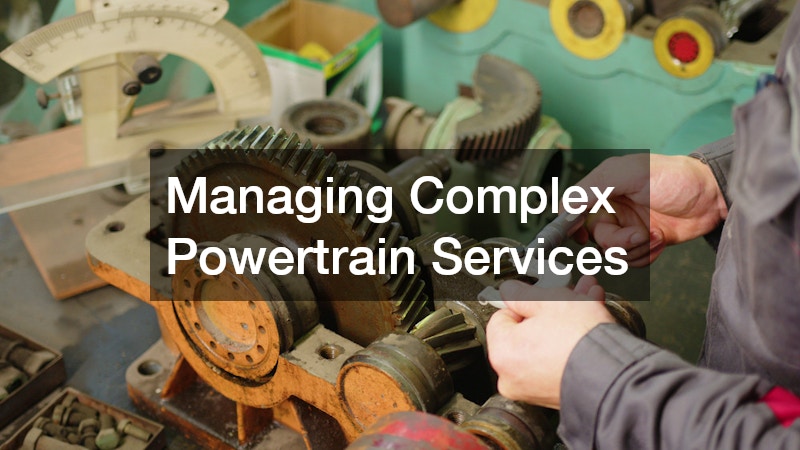
Managing Complex Powertrain Services
The powertrain is one of the most critical systems in any vehicle, directly influencing acceleration, efficiency, and overall drivability. When powertrain components are functioning correctly, vehicles respond smoothly and maintain consistent performance across different driving conditions. Issues within this system can quickly affect reliability and safety.
Complex powertrain services often require advanced diagnostics and detailed mechanical knowledge. Problems such as slipping gears, delayed acceleration, or unusual noises can indicate deeper issues that demand specialized attention. Addressing these concerns promptly helps prevent cascading damage that could compromise other vehicle systems.
A transmission build involves restoring or reconstructing internal components to return proper function and performance. This process requires precision, experience, and careful inspection of internal parts. Rebuilding rather than replacing can help extend transmission life while maintaining original vehicle compatibility.
Managing complex powertrain services supports long-term vehicle health and smoother operation. When major systems are serviced correctly, drivers benefit from improved responsiveness, better fuel efficiency, and increased confidence in their vehicle’s ability to handle daily demands and long-distance travel.
Providing Specialized Transmission Support
Transmission systems require specialized knowledge due to their complexity and precision. These systems manage how power is delivered from the engine to the wheels, making them essential to vehicle movement and control. Even minor issues can significantly affect drivability if left unresolved.
Specialized support focuses on diagnosing subtle performance changes such as hesitation, rough shifting, or inconsistent gear engagement. Early identification of these issues allows for targeted solutions that minimize disruption and prevent further damage. This level of care requires experience with transmission-specific components and operating behaviors.
Transmission mechanics provide focused expertise by evaluating system performance, identifying worn parts, and making precise adjustments or repairs. Their specialized approach supports accurate solutions that general repairs may not address. This attention to detail helps restore smooth operation and reliable power delivery.
Providing specialized transmission support helps vehicles maintain performance and safety standards. When transmission systems operate efficiently, drivers experience smoother acceleration, predictable handling, and reduced strain on related components. This specialized care reinforces the value of addressing complex systems with targeted expertise rather than generalized fixes.