Fire safety regulations exist because fires destroy businesses. A building code officer or fire inspector does not show up to make life difficult. They are there because the rules, when followed, dramatically reduce the risk of catastrophic loss. Many business owners view fire safety regulations as bureaucratic burden, but understanding what is actually required and why can shift that perspective. Compliance is not just a legal obligation, it is a business asset that protects people, property, and revenue.
Building Codes Set the Baseline
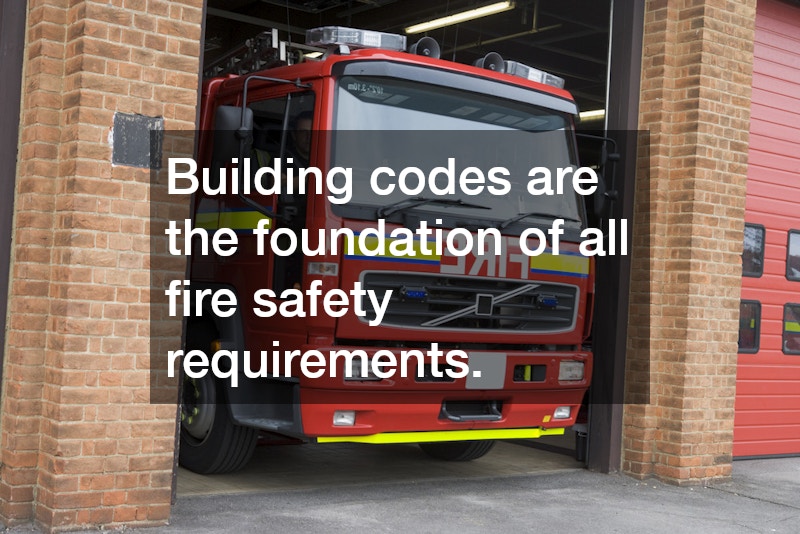
Building codes are the foundation of all fire safety requirements. These codes, adopted at the state and local level, specify what fire protection systems must be installed in different types of buildings. A five-story office building has different requirements than a single-story warehouse, which has different requirements than a restaurant. The code considers the building’s size, height, occupancy type, and intended use to determine what fire safety measures are mandatory.
Building codes are updated regularly, usually every three to five years. A business occupying an older building might find that the building does not meet current code requirements, which creates a compliance obligation. Sometimes this means installing new systems. Sometimes it means upgrading existing ones. Understanding what code applies to a specific building is the first step toward compliance.
Fire Sprinkler Requirements Vary by Building Type
Fire sprinkler systems are among the most commonly required fire safety measures, but the specific requirements depend on what the building is and what it is used for. A large office building typically requires sprinklers throughout. A small office might not. A restaurant definitely needs sprinklers, plus additional requirements for commercial hood suppression. A warehouse might need different sprinkler spacing or coverage than a retail space.
Fire sprinkler design must meet specific codes that dictate pipe sizing, water supply requirements, sprinkler spacing, and system testing intervals. A professional fire sprinkler designer understands these codes and ensures that any system installed will pass inspection. Cutting corners on sprinkler design might save money initially, but creates the risk of a failed inspection that forces expensive modifications or system replacement.
Inspections and Permits Are Not Optional
Before any fire protection system can be installed, permits must be obtained. After installation, the system must be inspected and approved by the authority having jurisdiction, usually the local fire department or a third-party inspector. This process is not negotiable. A business that installs fire protection systems without permits and inspections faces fines and the requirement to rip out and replace the system.
Annual inspections are also mandatory. Fire departments or certified inspectors verify that systems remain in good working condition. Issues discovered during inspections must be documented and corrected. A business that receives inspection findings and ignores them risks penalties, fines, and potential liability if a fire occurs and the system fails because known problems were not addressed.
Different Occupancies Have Different Rules
A business occupancy classification determines which regulations apply. Restaurants are classified differently than offices, which are classified differently than warehouses or manufacturing facilities. Each classification triggers specific requirements for exit ways, fire barriers, detection systems, and suppression systems.
Changing the use of a space often triggers a reclassification and new compliance requirements. A business that moves into a space previously used for a different purpose cannot assume the existing fire protection is adequate. The new occupancy might require upgrades.
Commercial Hood Suppression Is Separate
Restaurants and food service operations face unique fire risks from cooking equipment. This is why commercial hood suppression systems are required separate from building sprinklers. These systems use specialized extinguishing agents designed to suppress fires in cooking oils and grease without creating hazards in the kitchen.
Hood suppression systems have their own inspection and maintenance requirements, separate from building sprinklers. A restaurant is not compliant with fire code just by having building sprinklers if it does not also have a proper hood suppression system that meets code.
Emergency Exits and Egress Requirements
Fire safety regulations also mandate multiple exits, proper signage, adequate lighting, and unobstructed pathways. These requirements exist because people need to be able to evacuate quickly if a fire occurs. A business that blocks exits with storage or furniture, or fails to maintain emergency lighting, is in violation of fire code regardless of how good its suppression systems are.
Non-Compliance Has Real Consequences
A business found in violation of fire safety regulations faces fines that can quickly become expensive. More seriously, if a fire occurs and the business is found to have been operating in violation of fire code, liability exposure becomes enormous. Insurance might not cover losses in a building that was not code compliant. The business owner could face criminal charges.
Get Ahead of Requirements
Rather than waiting for an inspection failure, smart business owners get ahead. A fire protection consultant can audit a building, identify compliance gaps, and recommend fixes before issues arise. This proactive approach is cheaper than being forced to make reactive changes.
Understanding fire safety regulations is not about satisfying inspectors. It is about protecting the business, employees, and customers. Building codes are based on what actually works. Following them is not burden, it is smart risk management.